Planet Facts
The Sun
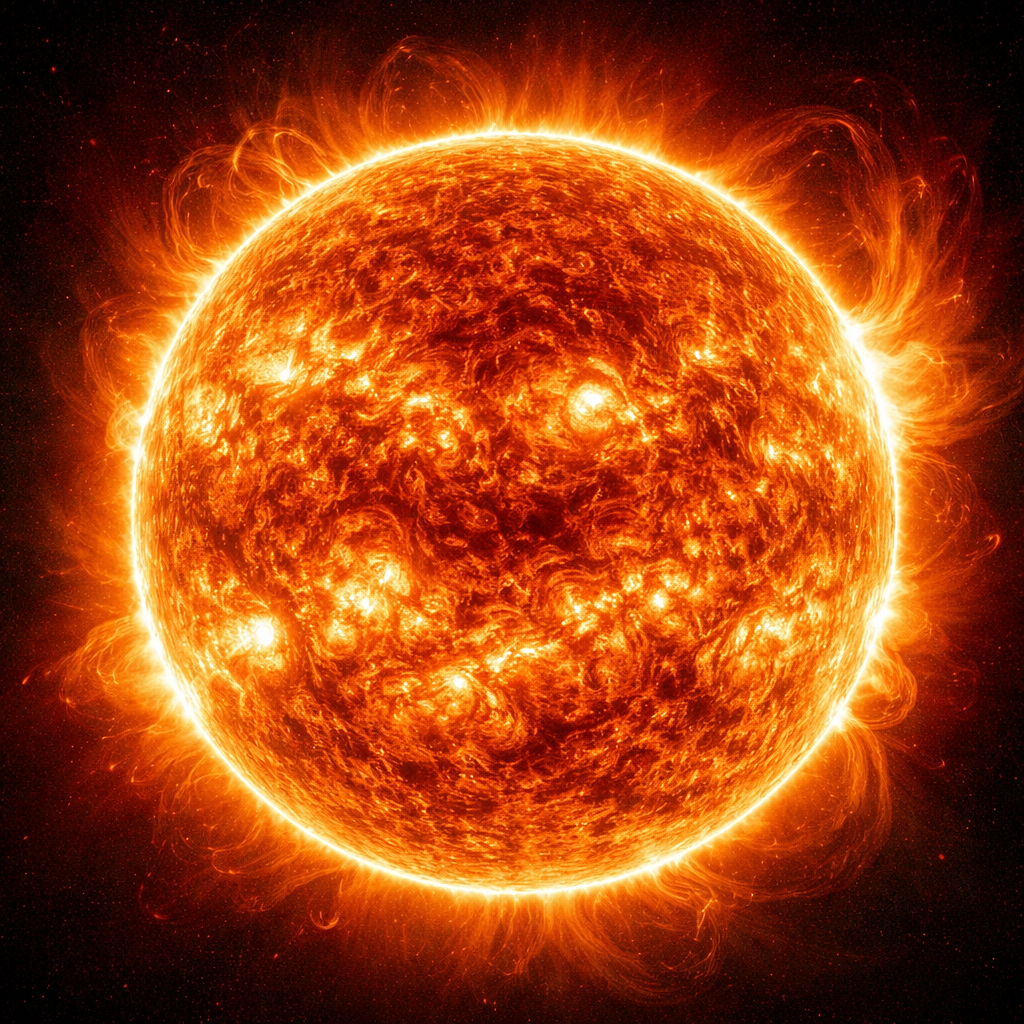
The Sun is in the middle of our solar system and has most of the mass. It makes energy by changing hydrogen into helium, which is called nuclear fusion. This energy is what lets life exist on Earth, even though we are really far away, about 93 million miles. The center of the Sun is super hot, around 27 million degrees Fahrenheit, but the surface is cooler, about 10,000 degrees. The outside part, called the corona, is even hotter than the surface, and scientists still do not know why. The Sun is always doing something. It sends out solar flares and big bursts of particles. These can make auroras on Earth, but they can also mess up satellites and power. The Sun is not solid. It is made of plasma, which is a really hot state where atoms break apart. This is why the Sun has strong magnetic fields and big currents. Light from the Sun takes about 8 minutes to reach Earth. The Sun is about 4.6 billion years old and will keep shining for about 5 billion more years before it gets bigger and changes the solar system.
Mercury
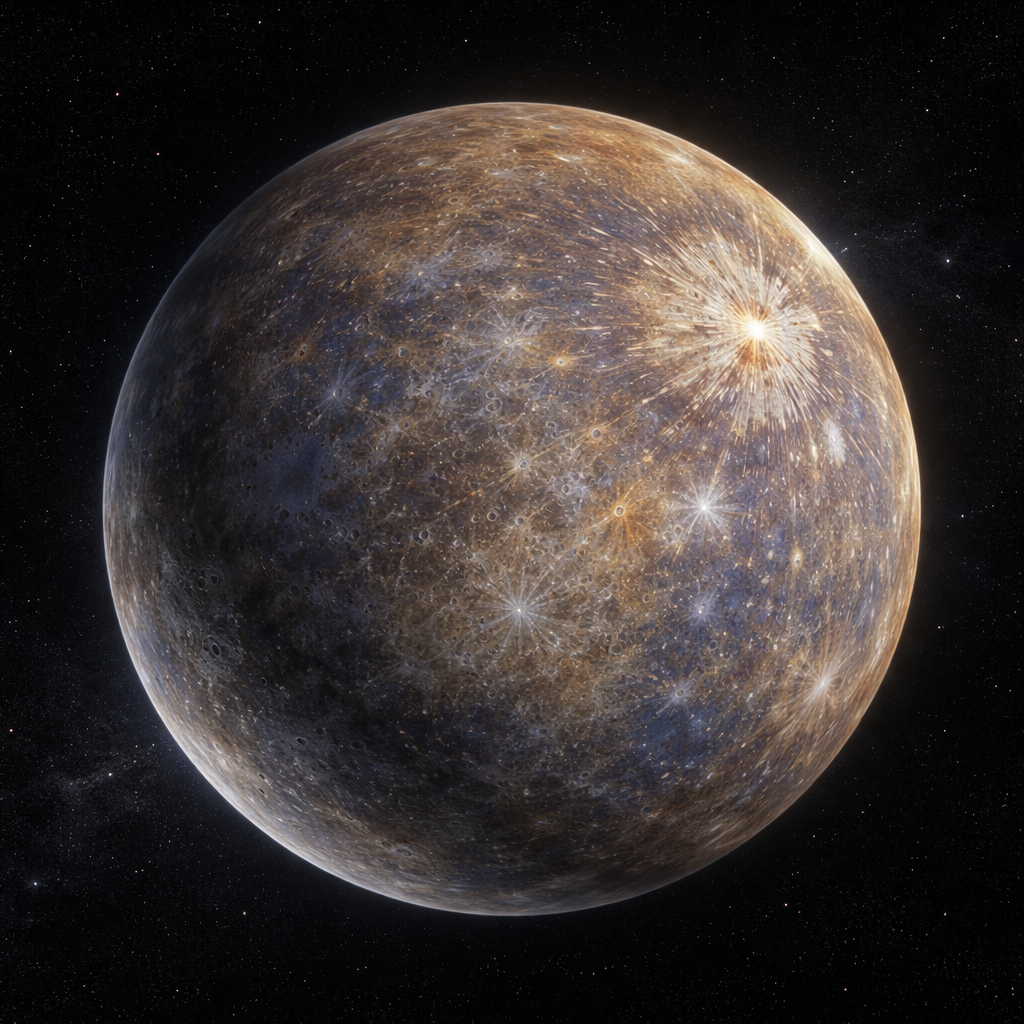
Mercury is the smallest planet in the solar system and is closest to the Sun. Even though it is near the Sun, Mercury is not the hottest planet. Venus is hotter because Mercury does not have much atmosphere to keep heat in. The temperature on Mercury goes from about 800°F (430°C) during the day to -290°F (-180°C) at night. One day on Mercury is about 59 Earth days. A year on Mercury is 88 Earth days. This means a day on Mercury is longer than a year. The surface of Mercury has many craters, like the Moon. One of the biggest is the Caloris Basin, which was made by a large impact. Mercury rotates slowly and has a weak magnetic field, so it gets hit by a lot of solar radiation. Scientists have found water ice in craters near the poles that never get sunlight. Mercury is also shrinking because its iron core is cooling and getting smaller. This makes the surface wrinkle into long cliffs called scarps. Mercury is still changing, even though it is small.
Venus
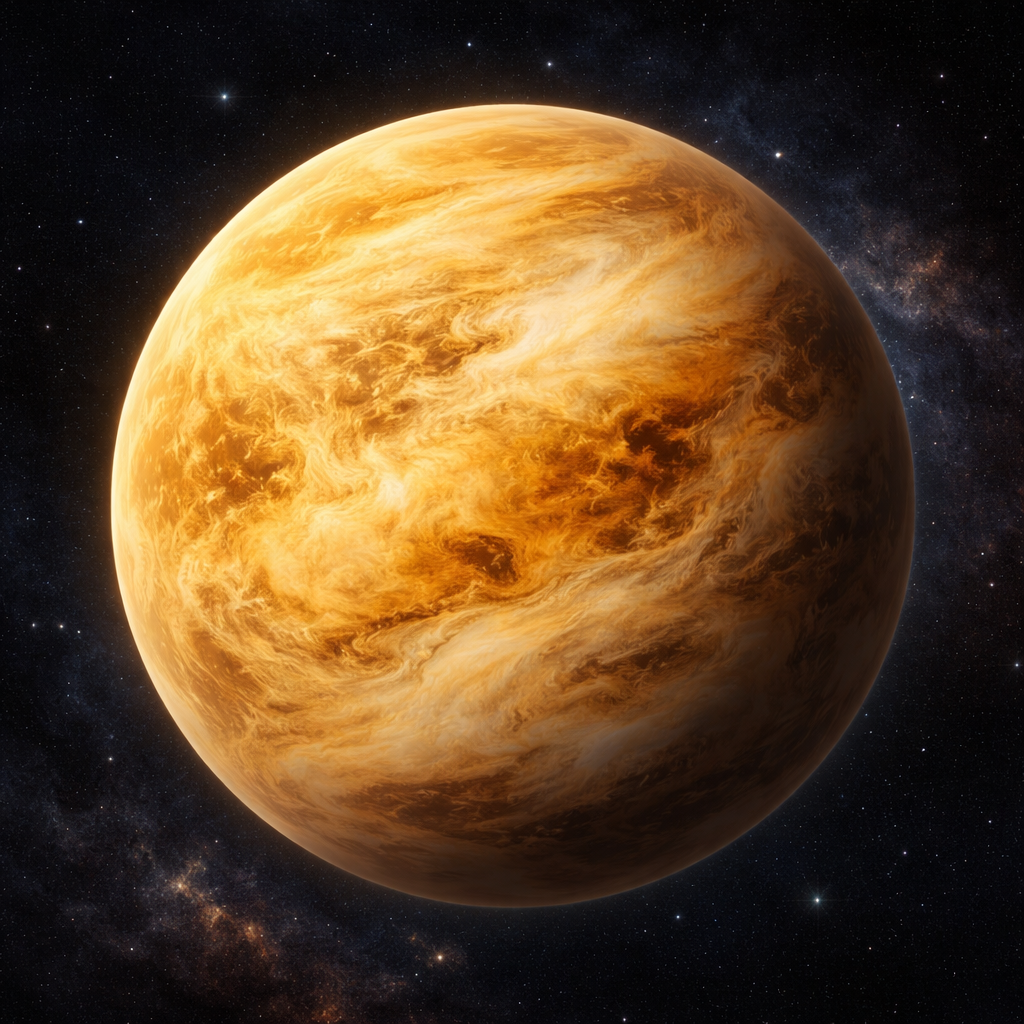
Venus is a planet in our solar system that is about the same size and mass as Earth. But its atmosphere is very thick and made mostly of carbon dioxide, which keeps in heat. Because of this, Venus is even hotter than Mercury, even though Mercury is closer to the Sun. The surface of Venus is around 900°F, which is much hotter than anything on Earth. The clouds on Venus are made of sulfuric acid, and the air pressure is about 90 times higher than on Earth, like being deep underwater. Venus spins very slowly and goes the other way compared to most planets, so the Sun rises in the west and sets in the east there. One day on Venus is about 243 Earth days, which is longer than a year on Venus. Venus does not have any moons. There are lots of volcanoes on its surface, and some might still be active. The thick clouds reflect sunlight, so Venus is the brightest thing in the night sky after the Moon. That is why people call it the Morning Star or the Evening Star. Even though Venus looks bright, it is actually a very harsh place. Scientists are still trying to learn more about what is on Venus and what its atmosphere is like.
Earth
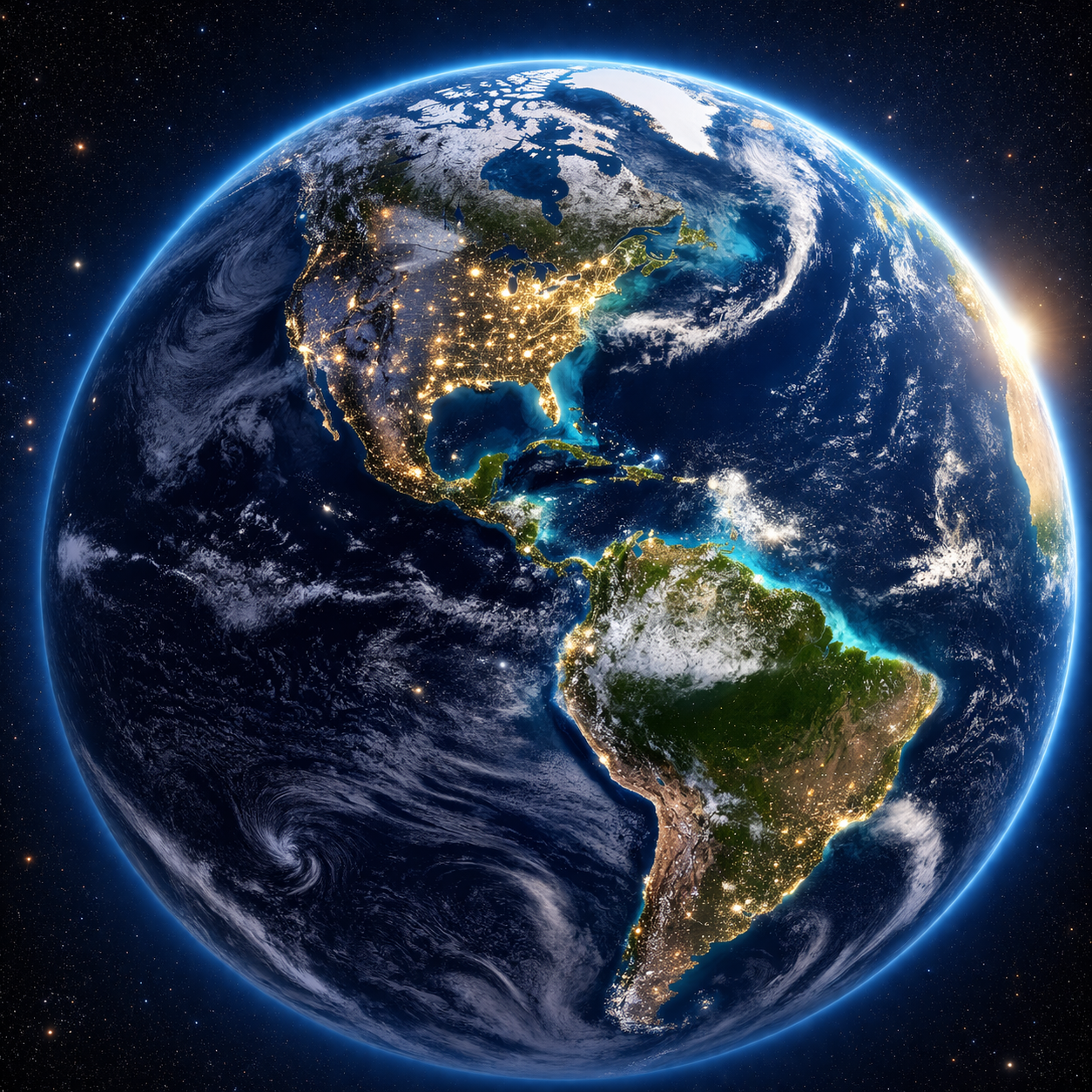
Earth is the only known planet that supports life. It has liquid water, a protective atmosphere, and temperatures that allow plants, animals, and people to survive. it formed billions of years ago and still has a super hot core deep inside that helps protect us from dangerous radiation from the Sun, and even though the ground feels solid, the continents are actually slowly moving over time, which is why earthquakes and volcanoes happen; our atmosphere is just right for us to breathe and for water to stay liquid, and it also creates cool things like the northern lights, where the sky lights up in glowing colors; even crazier, Earth is spinning really fast and flying through space at the same time, but we don’t feel it at all, and it isn’t a perfect ball either—it’s slightly squished; plus, the planet is full of wild places, from the deepest parts of the ocean to the tallest mountains, and there are still tons of plants and animals we haven’t even discovered yet, which makes Earth way more interesting than it might seem at first.
About 71% of Earth's surface is covered by water. Its Moon also affects tides and helps stabilize the planet over time.
Mars
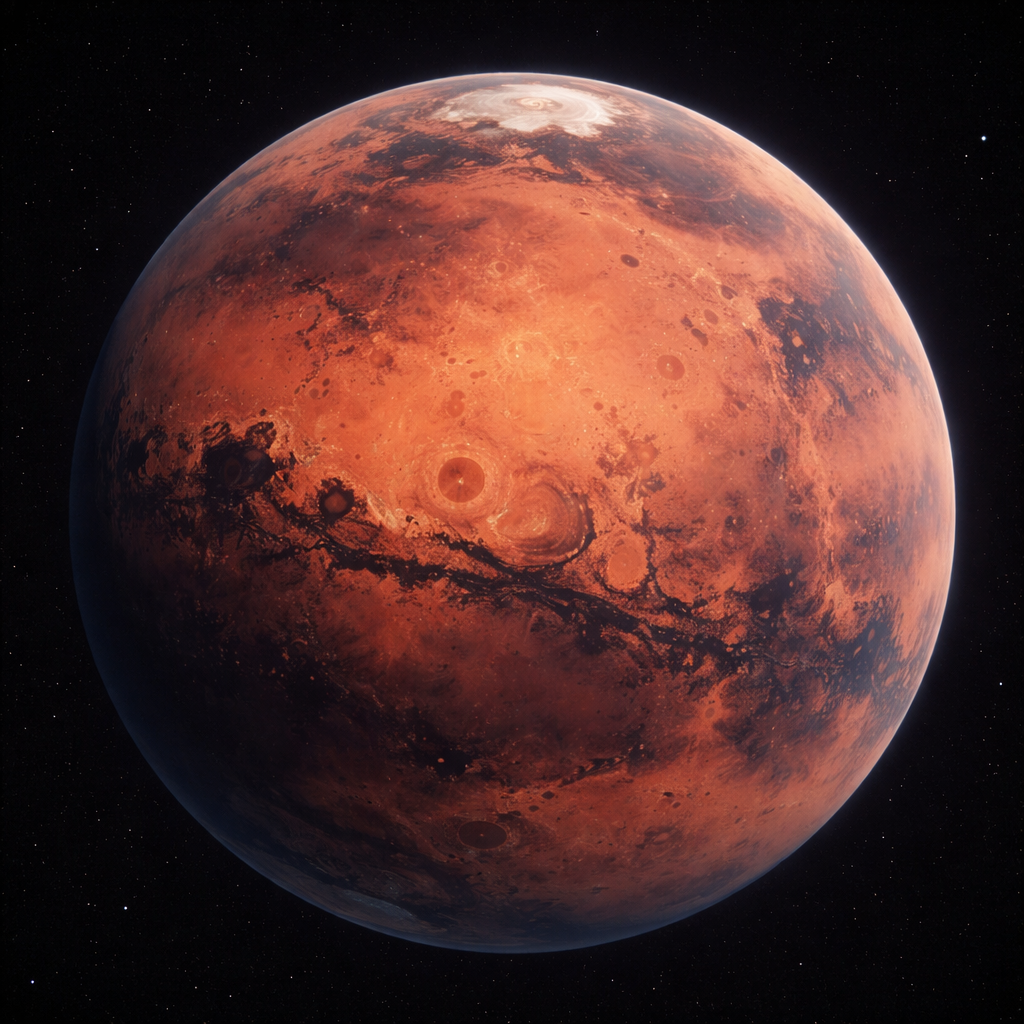
Mars is different from the other planets in our solar system. It has the biggest volcano, called Olympus Mons, and a huge canyon named Valles Marineris that would be as long as the United States if it was on Earth. Mars looks dry and dusty now, but scientists found signs that water used to flow there. There is still some frozen water at the poles. Mars has a thin atmosphere, so it gets really cold and has dust storms that can cover the whole planet. The sunsets on Mars look blue because the dust changes the color of the sunlight. A day on Mars is a little longer than a day on Earth, so they are kind of similar in that way, but Mars is still very different from Earth.
Jupiter
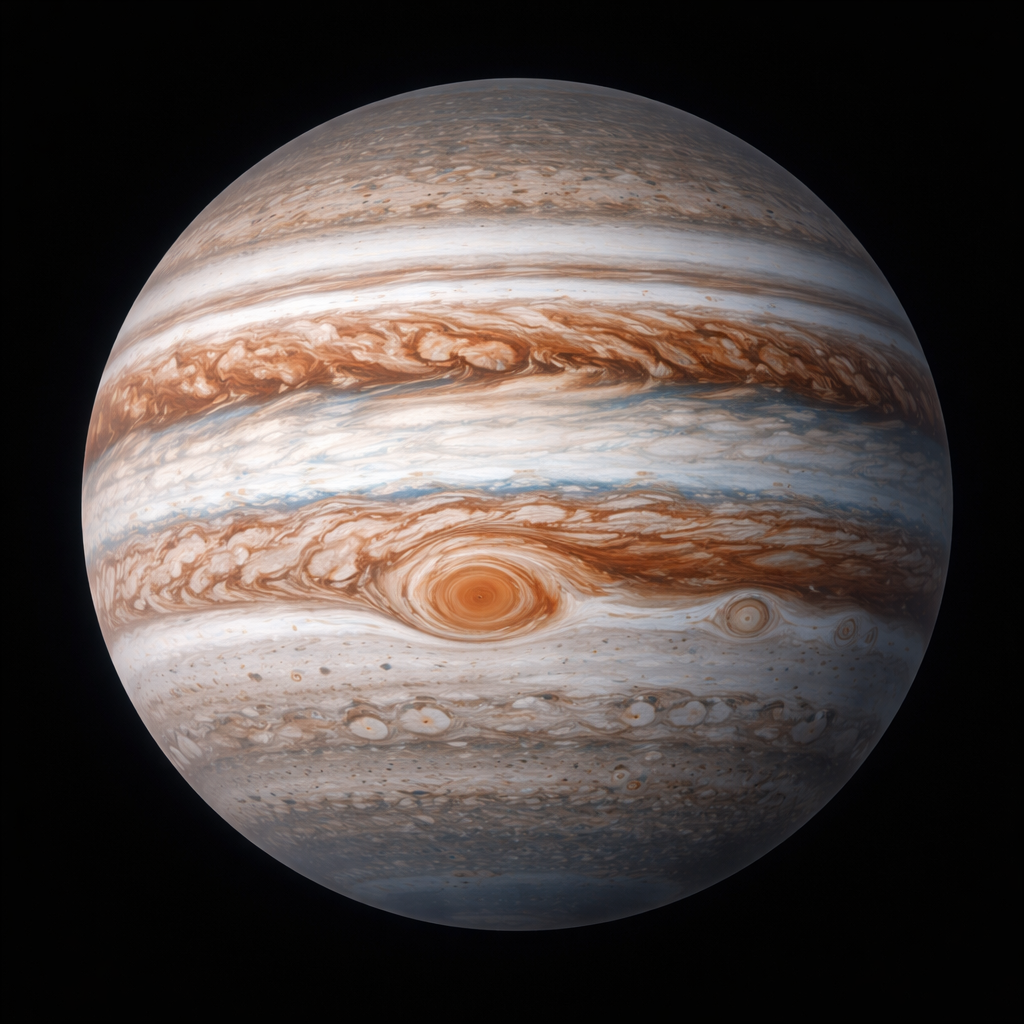
Jupiter is the biggest planet in our solar system. It has more than twice the mass of all the other planets put together. Its gravity is very strong and can pull in or push away asteroids and comets that might hit the inner planets like Earth. Jupiter is a gas giant, so it is made mostly of hydrogen and helium and does not have a solid surface. The clouds we see are actually huge storms. The most famous one is the Great Red Spot, which is a storm bigger than Earth and has lasted for over 300 years. Jupiter spins really fast and takes about 10 hours to turn once. This makes it look squished and causes strong weather bands. Under the clouds, the pressure is so high that it might make things like liquid metallic hydrogen. This helps Jupiter have the strongest magnetic field of any planet. The magnetic field is so strong that it creates dangerous radiation belts. Jupiter also has a faint ring system and more than 90 moons. Europa is one of its moons and might have a big ocean under its surface where life could exist. Ganymede is another moon and is the biggest moon in the solar system. It is even bigger than Mercury.
Saturn
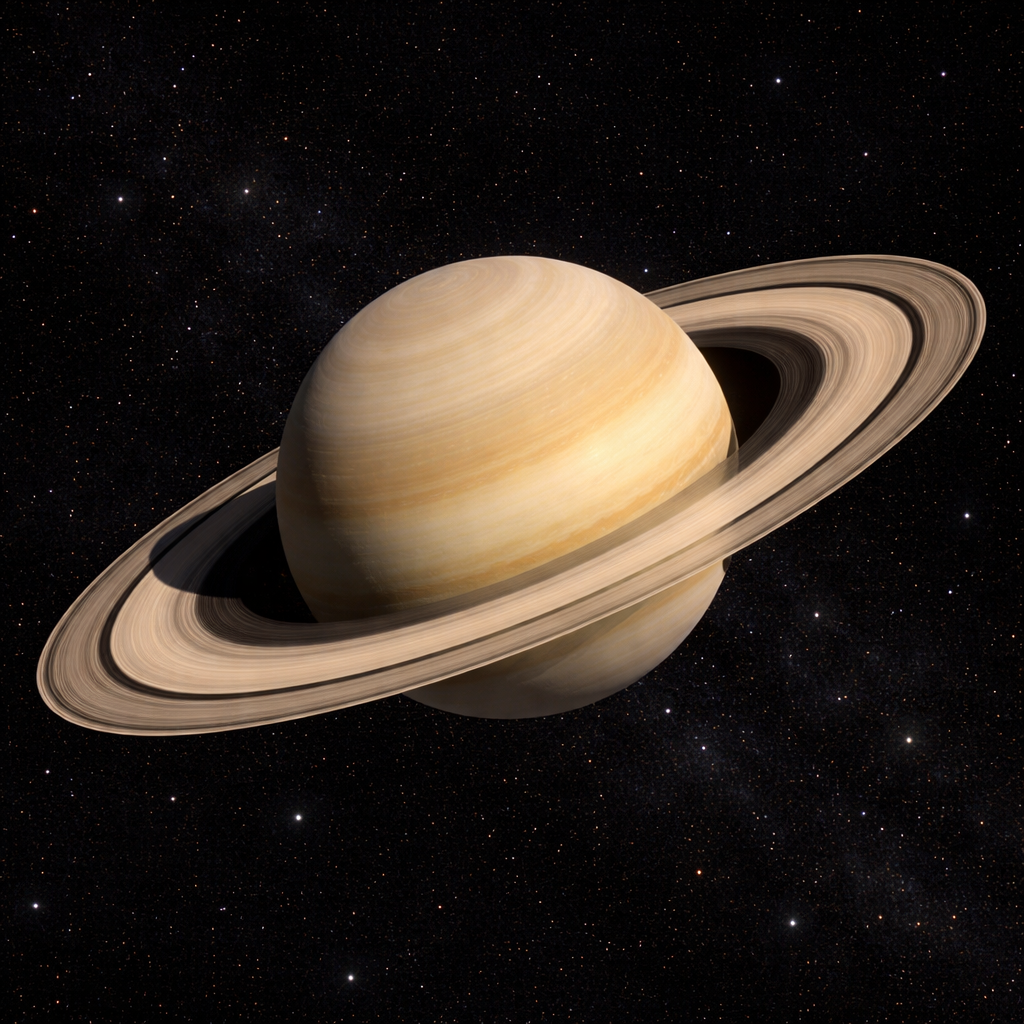
Saturn is one of the most fascinating planets in our solar system, known for its breathtaking ring system made of billions of pieces of ice and rock that range from tiny grains to chunks as large as mountains, all orbiting in a thin, flat plane around the planet; despite its enormous size, Saturn is the least dense planet and could actually float in water if there were an ocean big enough to hold it, and it spins so quickly (a day lasts only about 10.7 hours) that it bulges at the equator, making it visibly flattened; one of its most mysterious features is the massive hexagon-shaped storm at its north pole, a perfectly geometric jet stream that scientists still don’t fully understand, and beyond the planet itself, Saturn has over 140 known moons, including Titan, which has thick clouds and lakes of liquid methane, and Enceladus, which shoots giant plumes of water ice into space some of which may come from a subsurface ocean that could potentially support life making Saturn not just visually stunning but also one of the most scientifically intriguing worlds we’ve ever explored.
Uranus
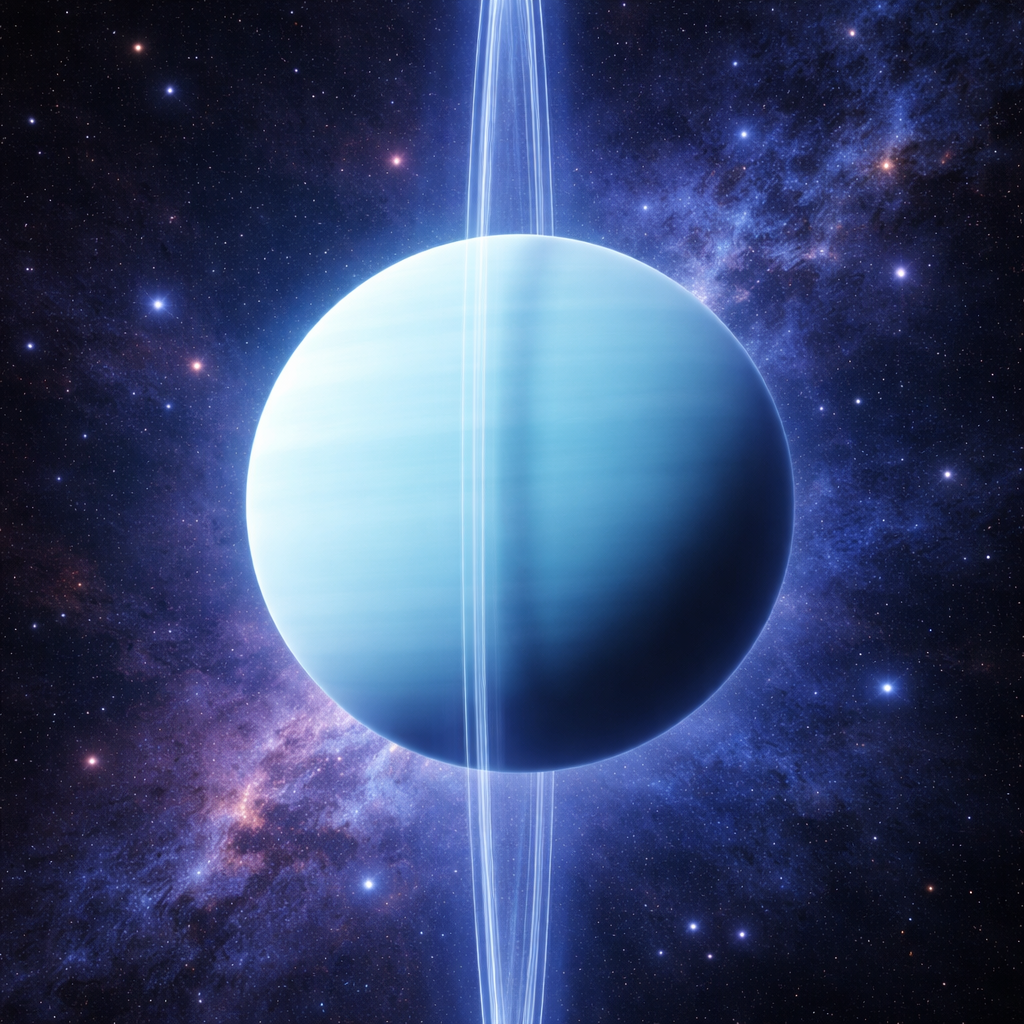
Uranus is a planet in our solar system that is different from the others. It spins on its side with a tilt of about 98 degrees, which probably happened because something big hit it a long time ago. Because of this tilt, Uranus has seasons that last more than 20 years. Sometimes one pole faces the Sun all the time while the other side stays dark. Uranus looks blue-green because methane in its atmosphere absorbs red light. It is also very cold, with temperatures in its atmosphere dropping to about −224°C, which can be even colder than Neptune. Uranus has faint rings and 27 moons. Most of the moons are named after characters from Shakespeare and Alexander Pope. Its atmosphere is made mostly of hydrogen, helium, and icy materials like water, ammonia, and methane.
Neptune
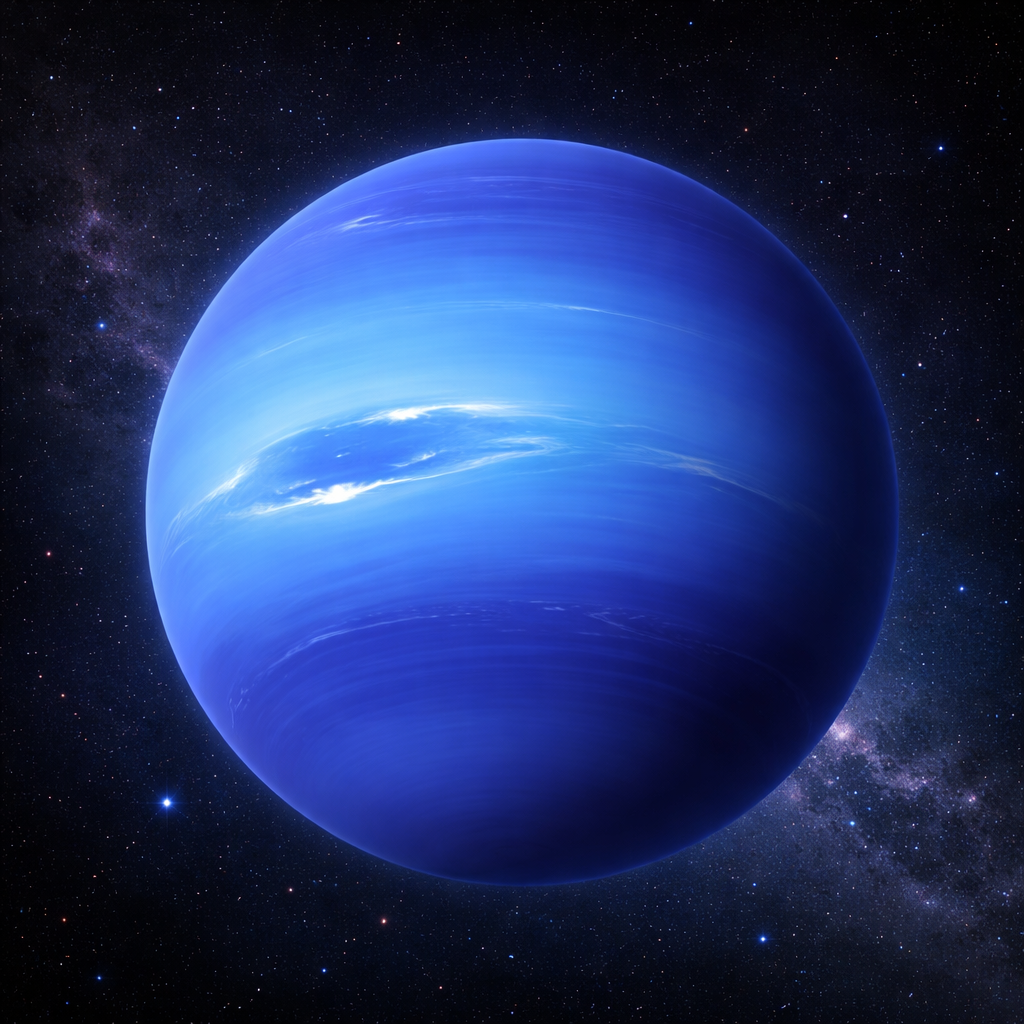
Neptune is one of the most fascinating and mysterious worlds in our solar system, known for its deep blue color caused by methane in its atmosphere, which absorbs red light and reflects blue hues, giving it an almost glowing, ocean like appearance, despite being incredibly far from the Sun, about 30 times farther than Earth, Neptune is not a calm, frozen world but instead has the fastest winds in the entire solar system, reaching speeds of over 1,200 miles per hour, faster than the speed of sound on Earth, creating massive storm systems like the famous “Great Dark Spot” discovered by Voyager 2 during its flyby in 1989; Neptune also has a faint system of rings that are clumpy and uneven rather than smooth like those of Saturn, and it hosts 14 known moons, including the largest, Triton, which is especially unique because it orbits Neptune backward (a retrograde orbit), suggesting it may have been captured from the Kuiper Belt and is geologically active, with icy geysers erupting nitrogen into space; interestingly, a year on Neptune lasts about 165 Earth years, meaning it has only completed one full orbit around the Sun since its discovery in 1846, and even though it receives very little sunlight, it radiates more internal heat than it gets from the Sun, which helps power its extreme weather, making Neptune a dynamic and surprisingly energetic ice giant rather than a quiet, frozen one.
Pluto
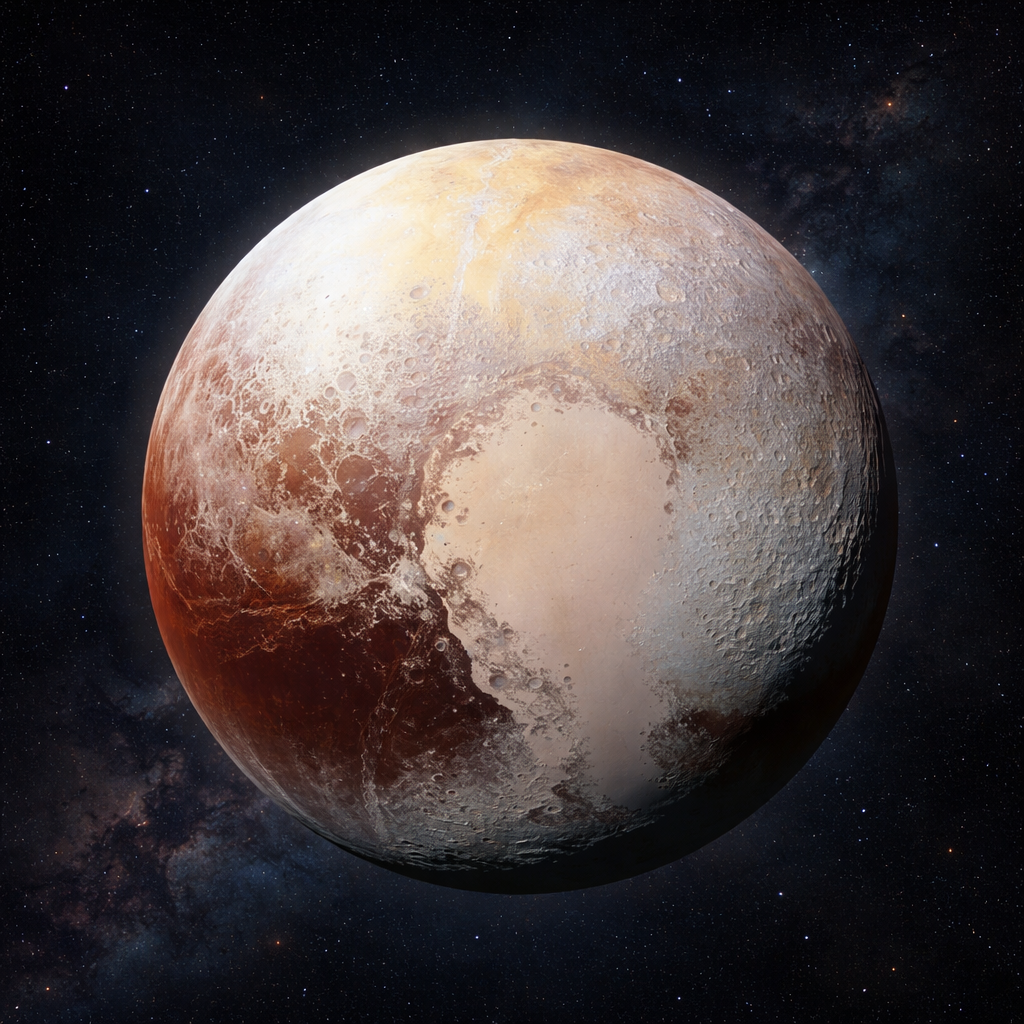
Pluto used to be called the ninth planet in our solar system, but in 2006, it was changed to a dwarf planet. It is still one of the most interesting things that goes around the Sun. Pluto is in the Kuiper Belt, which is far away from Earth. It is made of ice and rock. Its surface has frozen nitrogen, methane, and carbon monoxide. One of the main things people notice about Pluto is a big, heart-shaped glacier called Tombaugh Regio. This glacier is about the size of the United States and is always changing because of slow-moving ice. Pluto has five moons. The biggest one is Charon. Charon is so large compared to Pluto that they both orbit a point between them, so they are more like a binary system than a normal planet and moon. A year on Pluto is 248 Earth years. Its orbit is very stretched out and tilted, so its seasons are very long and can last for decades. Even though Pluto is very far from the Sun, it has a thin atmosphere. The atmosphere gets bigger when Pluto is closer to the Sun and freezes back onto the surface when Pluto moves away. In 2015, the New Horizons spacecraft flew by Pluto. It found mountains made of water ice that is as hard as rock, possible oceans under the surface, and a surface that is younger and more active than people thought. This shows that Pluto is still changing, even though it is at the edge of the solar system.